RWANDA INAUGURATES THE RSB QUALITY ACADEMY ESTABLISHED UNDER THE KOICA- SUPPORTED SISIC PROJECT
On 24th June, 2026 in Kigali, the Government of Rwanda, through the Ministry of Trade and Industry (MINICOM) and the Rwanda Standards Board (RSB), joined the Korea International Cooperation Agency (KOICA) at the official inauguration of the RSB Quality Academy. The Academy has been established under the Strengthening Rwanda Industrial Standardization ICT Capacity (SISIC) Project, a five-year initiative running from 2023 to 2028, with USD 7 million funding from KOICA. The inauguration ceremony was coupled with the Project’s 2nd Project Steering Committee (PSC) Meeting to review key achievements and discuss future implementation plans.
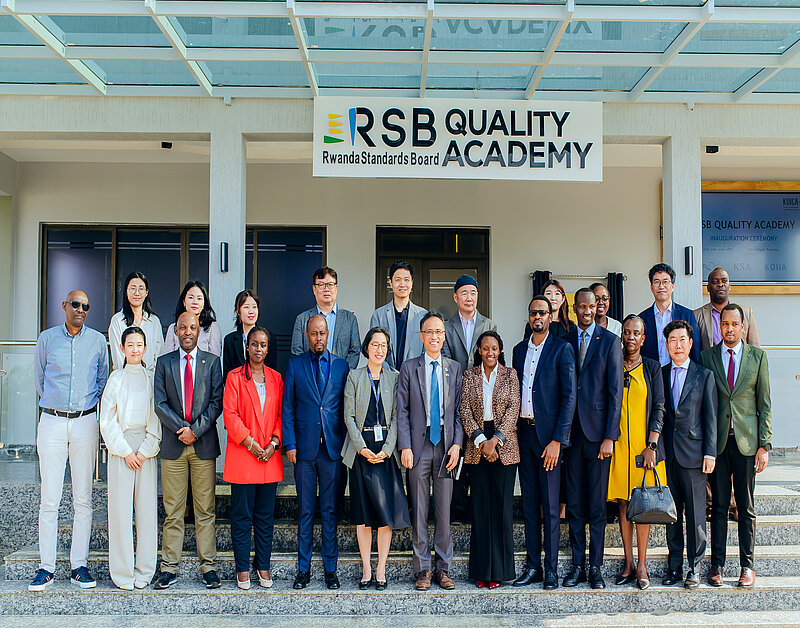
Inauguration Group Photo
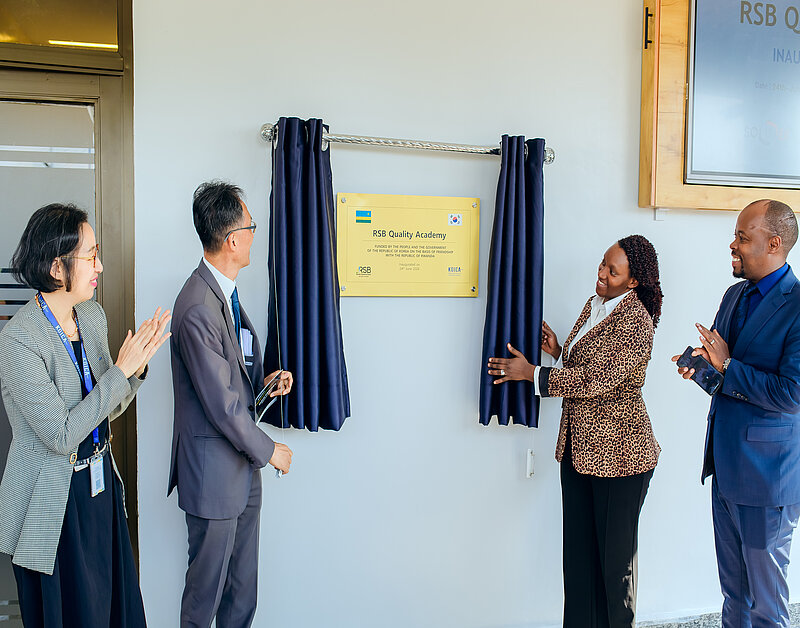
PS MINICOM and Ambassador of Korea in Rwanda inaugurated the RSB Quality Academy
The inauguration ceremony was officiated by the Permanent Secretary at the Ministry of Trade and Industry (MINICOM), in the presence of H.E Jeong Woo-jin the Ambassador of the Republic of Korea in Rwanda, Kim Jin-hwa, Country Director of KOICA and Project Management Consultancy (PMC) Team, RSB Management and invited guests from public, civil society and private sector organizations. Established on the foundation of the Smart Classroom developed through the SISIC Project, the RSB Quality Academy is envisioned as a national digital learning hub dedicated to strengthening professional capacity in quality, standards, testing, and certification, while supporting the competitiveness of small and medium-sized enterprises (SMEs).
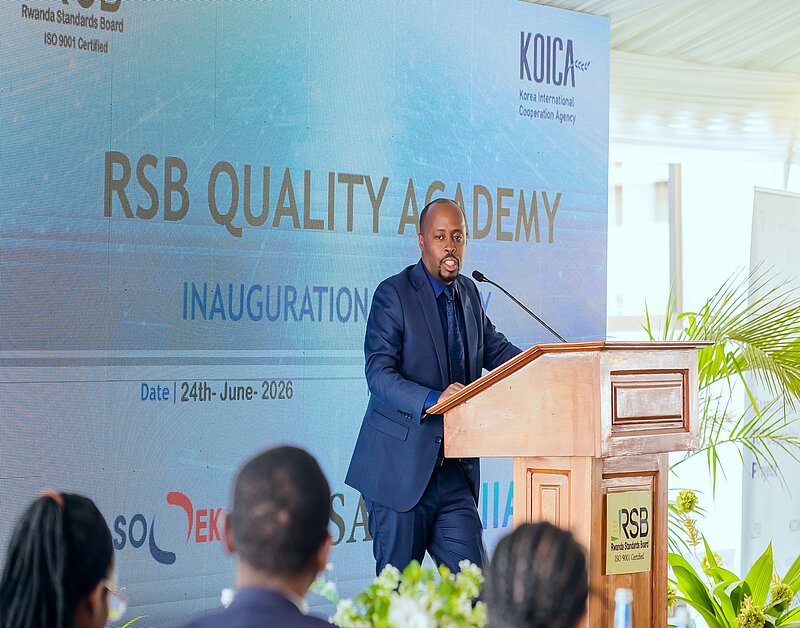
Mr Murenzi Raymond, RSB Director General
“The RSB Quality Academy will serve not merely as a training facility but as a national platform for developing professionals in the fields of quality and standards. We expect it to contribute significantly to strengthening the capabilities of industry stakeholders and SMEs, ultimately enhancing Rwanda’s industrial competitiveness.” Mr Murenzi Raymond, RSB Director General stated.
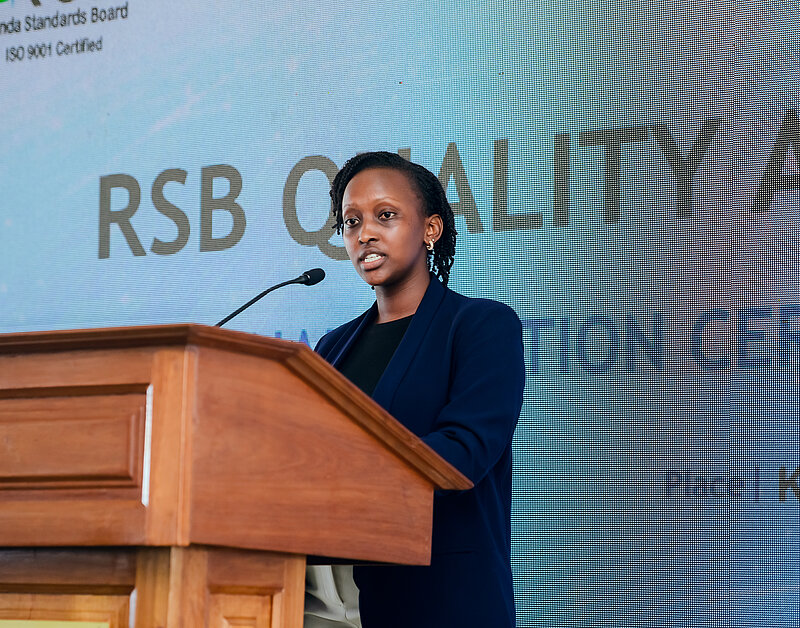
Ms Ritha Mahoro, Young Quality Professional
Ritha Mahoro, one of the trained Young Quality Professionals hailed the establishment of the Quality Academy as an opportunity to support the growth in the quality career:
"The establishment of RSB Quality Academy is a dream come true for us young professionals. I conducted an internship here at RSB, was trained on different product and quality management systems standards and I am ready to go further to support industrial growth" Ms Ritha Mahoro
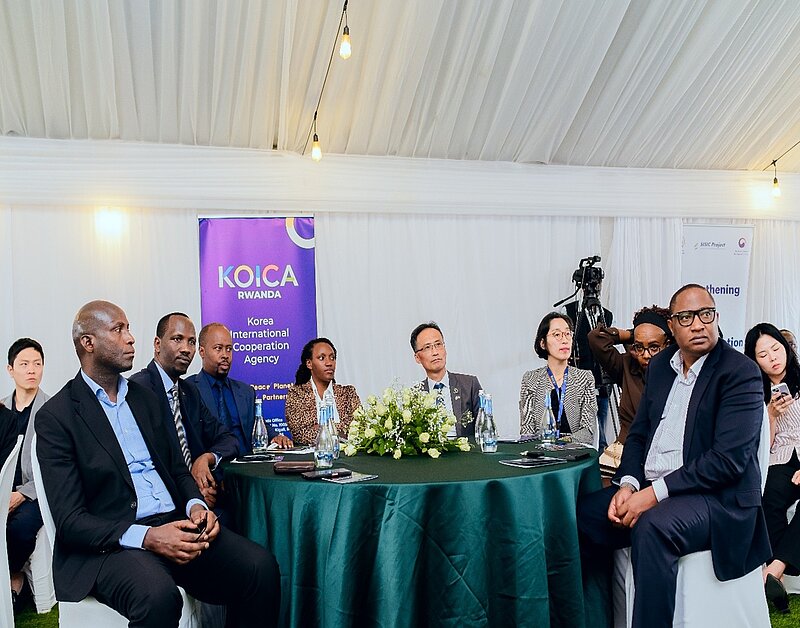
At the inauguration
KOICA appreciated the partnership with RSB and the establishment of the national quality academy as key enabler of industry capacity development in standards and quality matters:
“The inauguration of the RSB Quality Academy marks an important step in strengthening Rwanda’s quality infrastructure through digital innovation. At KOICA, we believe that sustainable development is ultimately driven by people. By expanding access to quality training, certification, and knowledge-sharing, the RSB Quality Academy will help equip Rwandan professionals and SMEs with the skills needed to compete in an increasingly globalized economy.” Remarked Ms Jin-hwa Kim, KOICA Rwanda Country Director.
The Country Director further emphasized that KOICA is proud to partner with the Government of Rwanda in fostering a stronger culture of quality and excellence, and remains committed to supporting the development of a more competitive and sustainable industrial ecosystem in Rwanda.
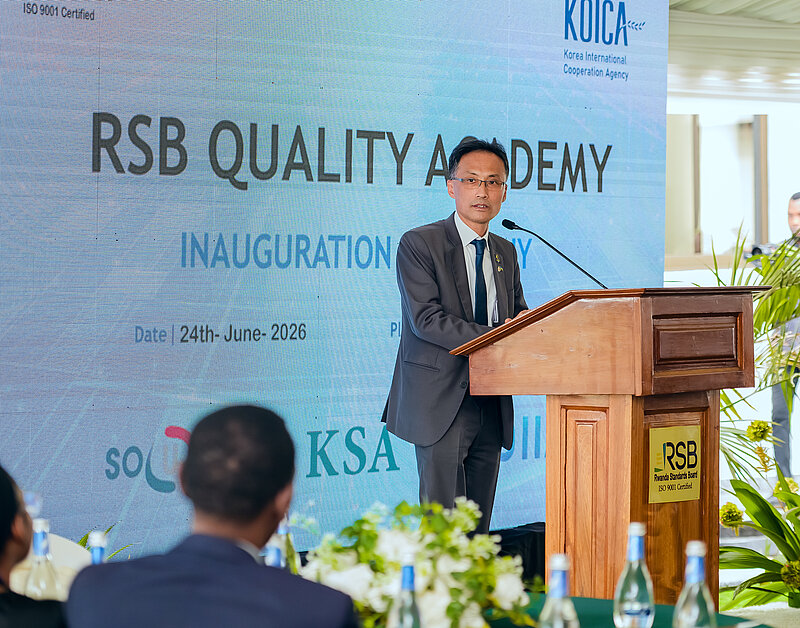
H.E Jeong Woo-jin the Ambassador of the Republic of Korea in Rwanda
H.E Jeong Woo-jin, the Am,ambassador of the Republic of Korea in Rwanda noted:
"The RSB Quality Academy stands as a testament to the strong and enduring partnership between the Republic of Korea and the Republic of Rwanda. Beyond technology and infrastructure, this investment is fundamentally about empowering people through knowledge, skills, and opportunity. I am confident that the Academy will serve as a vital platform for developing skilled professionals, supporting the growth of businesses, and contributing to Rwanda’s vision of becoming a competitive, knowledge-based economy."
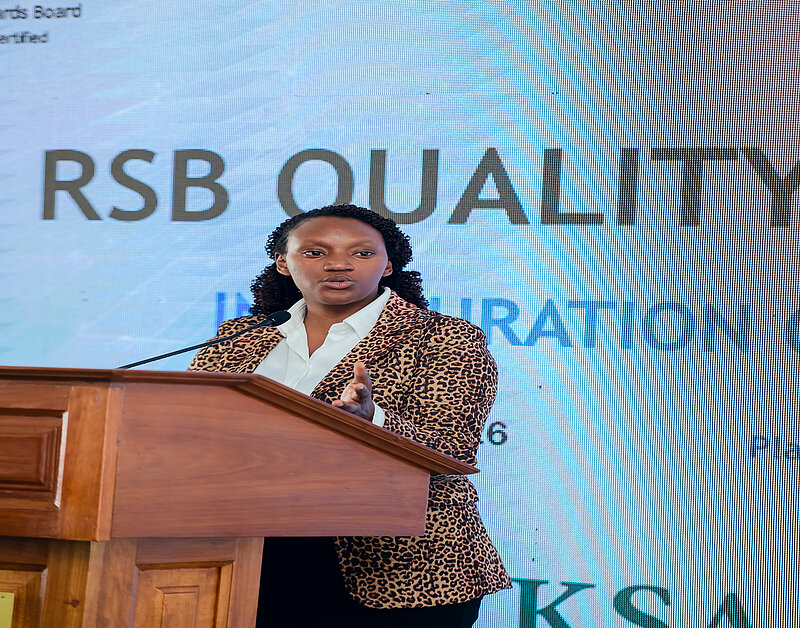
Ms Chantal Tuyishimire, Permanent Secretary at MINICOM
Madam Chantal Tuyishimire, Permanent Secretary at the Ministery of Trade and Industry expressed gratitude to the mutually beneficial cooperation between the Government of Rwanda and the Republic of Korea:
“We are proud that the partnership with the Republic of Korea is instrumental in supporting industrial growth in Rwanda. Building on the achievements of the SISIC Project, KOICA and the Government of Rwanda will continue to strengthen their partnership in advancing national quality infrastructure, promoting industrial standardization, and enhancing Rwanda’s industrial competitiveness and economic growth.
Implemented jointly by KOICA, RSB and the PMC, the SISIC Project aims to strengthen Rwanda’s National Quality Infrastructure (NQI) and enhance industrial competitiveness. The project focuses on advancing industrial standardization, improving testing and certification services, establishing digital-based operational systems, and enhancing the quality competitiveness of SMEs.
In addition, the Management Information System (MIS), Learning Management System (LMS), and Laboratory Information Management System (LIMS) being developed under the project are supporting the digital transformation of RSB’s core functions, including standards development, testing and certification services, and training management, thereby improving the efficiency, transparency, and accessibility of public services.
The RSB Quality Academy is expected to support the development and delivery of online learning content, provide a modern digital learning environment, and facilitate professional capacity-building programs. Through expanded access to quality and standards education, the Academy will contribute to improving compliance with standards, enhancing product quality, and strengthening the long-term competitiveness of Rwanda’s industrial sector.
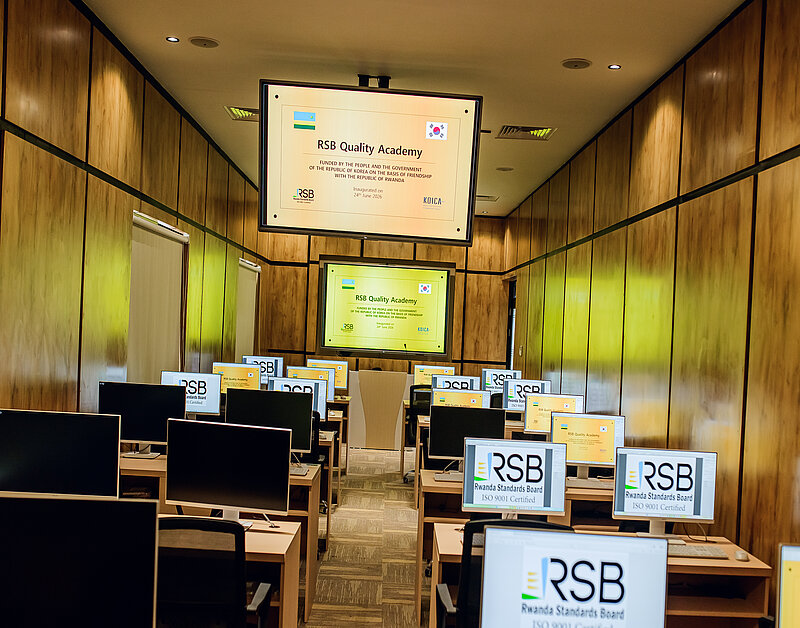
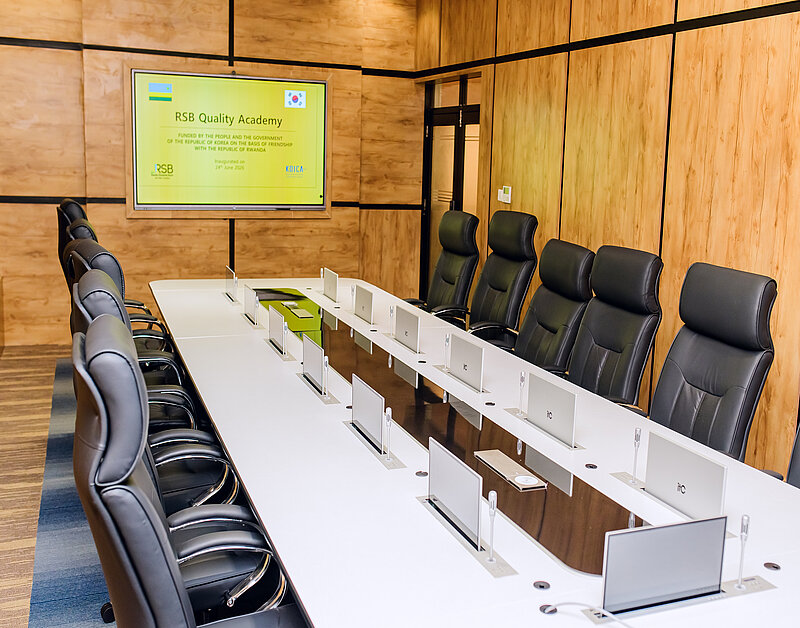
Inside the Academy